


Activities by GRAVIS


GRAVIS believes in the reconstruction of rural communities, their institutions and their environment so that villagers have ownership and control over their future.

Gravis

Water Security PDF Print E-mail

GRAVIS believes that revival of the traditional rain harvesting systems is essential for survival of the people of the Thar Desert. These structures are technologically sustainable and can be built at a low cost. Moreover, by using these structures the people are able to achieve water security and therefore self-reliance. GRAVIS has been assisting the people of the Thar Desert to achieve water security since its inception and uses the majority of its resources to this end.

Following are GRAVIS' major activities focusing on water security:

Taanka (underground water storage tank) construction

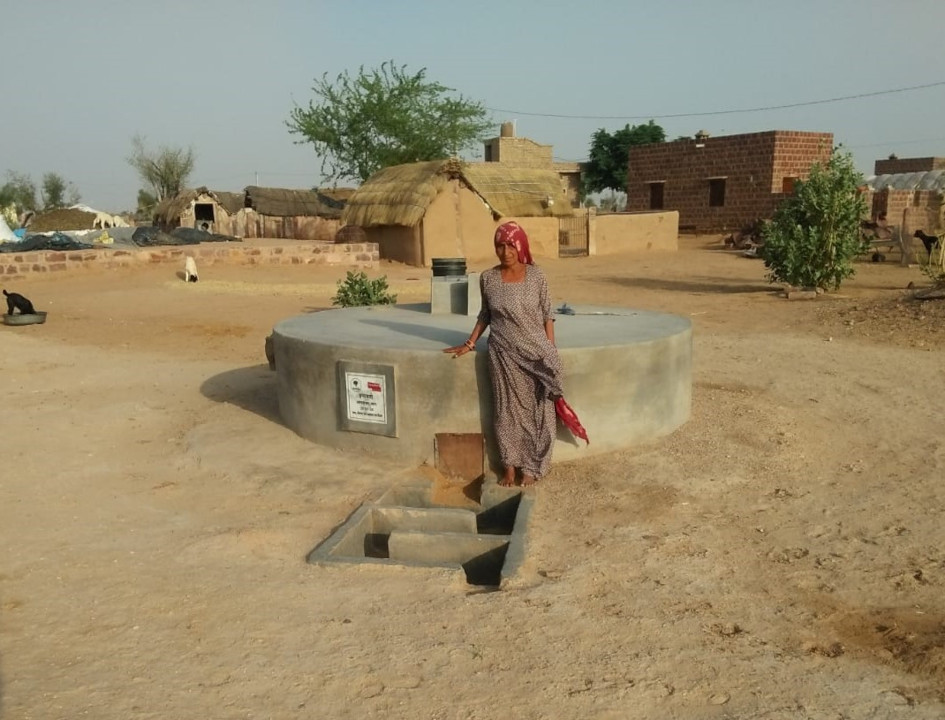
GRAVIS first constructed a taanka in the village of Shekhasar in 1985 and has continued to build more each year since then. For the many marginalized communities that GRAVIS works with, taankas mean reduced workloads for women who would otherwise walk 2 to 10 kilometers balancing pots of water on their heads twice a day. Taankas also mean substantial saving of money otherwise spent on buying water from distant sources. Moreover, a readily available water source allows families to consume more nutritious food, cultivate their own resources, and maintain a good hygiene. Till date, GRAVIS has supported the construction of 3,047 taankas.

Naadi (village pond) construction and desilting

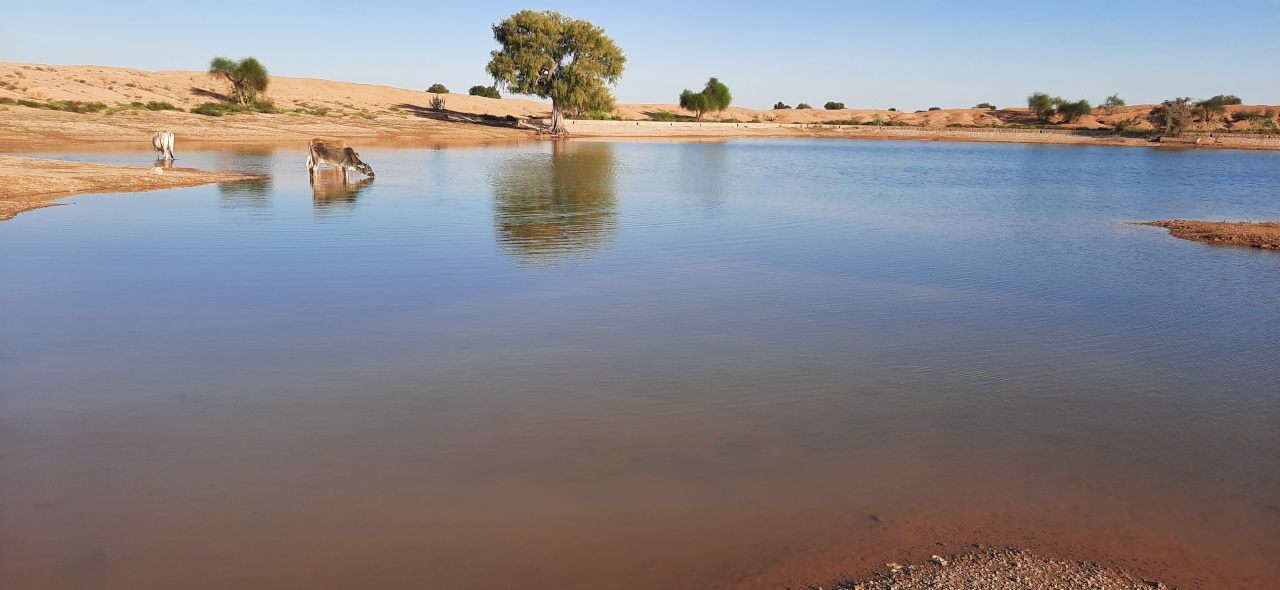
Naadis are a very old desert tradition. A Rajput landlord reportedly built a naadi in memory of his wife Sunderi at Akhadhana village some five hundred years ago. Many villages were originally established near areas that could easily be made into a naadi, which would often serve as the only source of drinking water. With the introduction of piped water, however, many naadis have been left to silt up and remained unused or forgotten and the naadi tradition was not carried on as new villages were established. GRAVIS works continously to revive the naadis by promoting the desilting and repairing of old naadis, as well as the construction of new naadis where possible. Overall, to date, GRAVIS has supported construction and desilting of 199 naadis.

Beri (small well) reconstruction and desilting

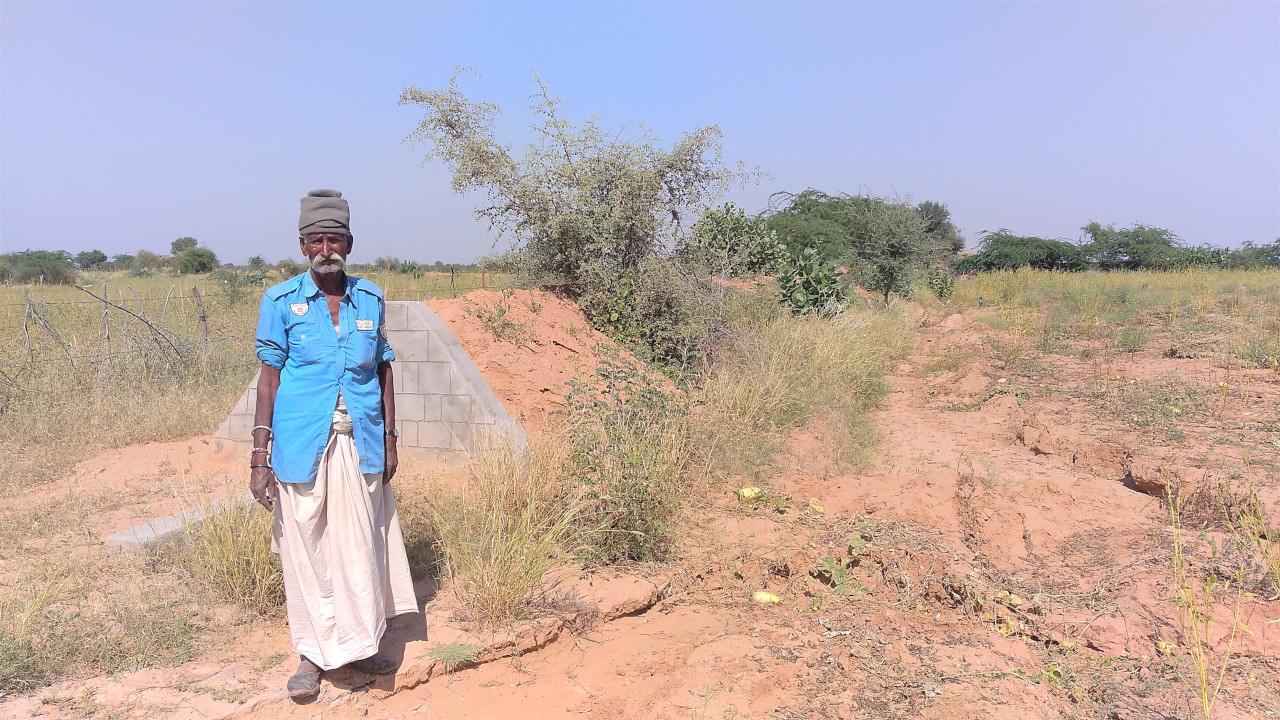
Beries are an important water harvesting technique promoted by GRAVIS. These structures are built into the clay layer of the naadi or khadin, are usually 1-2 m wide, & vary between 2 -12 m in depth. Some beries can hold up to 500,000 liters of water - a year's supply for 10 families. Those beries which are more productive, & thus more permanent, tend to have a raised concrete platform with a covered opening for the convenience of drawing water & to disallow sand & rocks from entering. Periodic silt removal is necessary for beries, especially for those built directly into naadis. GRAVIS so far has constructed/desilted 409 beries benefiting 4,847 families.

Drinking water tube well construction

Traditional methods of rainwater harvesting are the most sustainable means of maintaining a water supply. However, during severe droughts, the lack of potable water necessitates the transportation of water into remote areas, for which the inhabitants must pay enormous sums of money. The construction of tube wells is a viable alternative to this problem. Still, GRAVIS is reluctant to build these because the electrical pumps draw water from underground aquifers that have only finite amounts of water and have little chance of ever being recharged. As water is essential to the survival of the remote villages, GRAVIS has taken the task of funding the boring of tube wells, but only for potable water and household use. GRAVIS has aided in the construction of a total of 5 drinking water tube wells benefiting 5,988 households in 16 villages since 1983.

Water rights advocacy

With a growing population of both humans and animals, access to clean and potable water is getting less assured. The most marginalized communities in the Thar Desert are increasingly facing a lack of water rights. Especially, during droughts, they have no access to clean drinking water at all. Working closely with the media, local and national government agencies, and other NGOs in Rajasthan, GRAVIS and its partner organization HEDCON, actively work to promote water rights for the poor and also promote water conservation in other rural areas and cities in Rajasthan. GRAVIS and HEDCON have published many reports on the status of water rights in Rajasthan, including the  “Harvesting the Rains in the Thar” , “Drinking Water Crisis in Rural Rajasthan” , "Not letting a drop go waste", "Traditional agricultural and water harvesting technologies", "Drought lives" and “Flurosis in Rajasthan.” GRAVIS and HEDCON also publish two periodicals on drinking water issues; Soch Paani Ki in Hindi and Water Wheel in English. In addition, together they have organized frequent workshops on water conservation in schools and villages, and water management workshops in urban areas.

 A taanka

A taanka

 A naadi full with water

A naadi full with water

 A beri

A beri

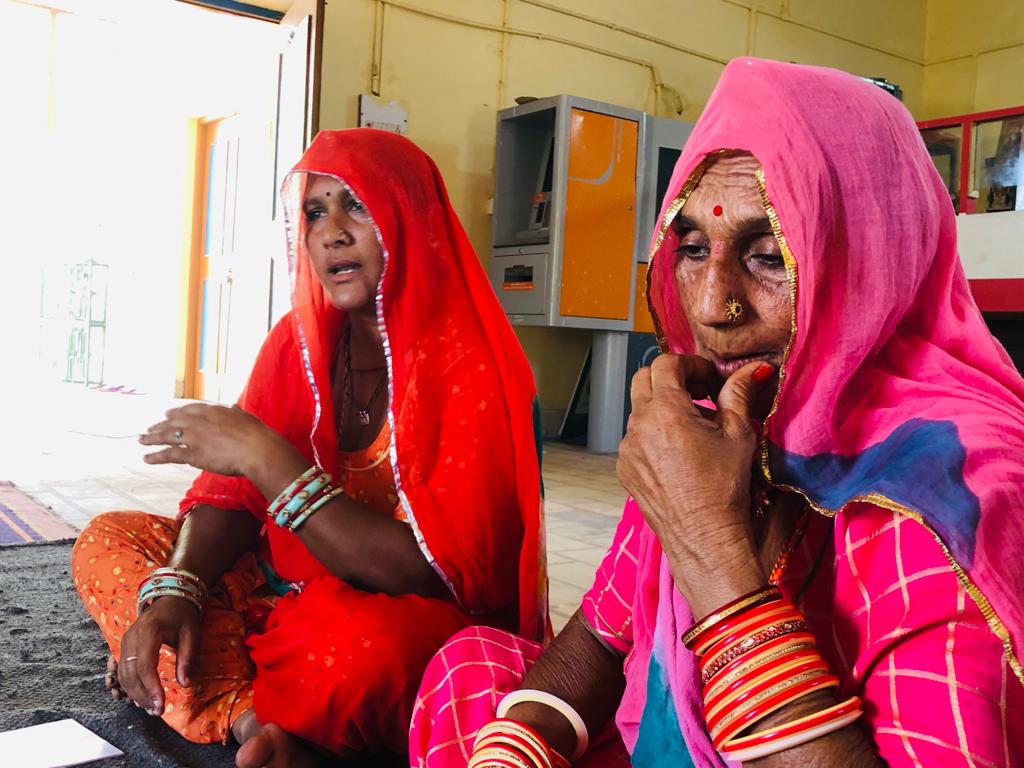
 Water is the major challenge in the Thar

Water is a major challenge in the Thar


GRAVIS, 3/458, 3/437, MM Colony. Jodhpur, 342008. Rajasthan, India. Phone: 91-291-2785317, 91-291-2785116. Fax: 91-291-2785116.
Email: gravis@datainfosys.net. Website: www.gravis.org.in. Copyright(c) 2008 GRAVIS All rights reserved
.